
Company formation is the process of incorporating a business as a limited company and is also known as ‘registering’. This is done with Companies House, which is the UK’s official registrar of companies and the only body in the UK allowed to officially incorporate a company.
When a company is incorporated, it becomes its own legal entity, which is completely separate from its owners, and responsible for its own finances and liabilities. This means that, should the company fail and become insolvent, the owners (usually shareholders and guarantors) are not held personally liable for any liability claims or debts beyond the sums they have invested in shares or committed to pay as guarantors. This is a type of financial protection known as ‘limited liability’, which offers a safety net to stop company owners losing their personal assets as a result of accrued business debts.
After a company has been incorporated and registered, it must follow strict accounting practices and reporting requirements laid out by the Companies Act 2006. All details of the corporation are placed on public record to ensure total transparency.
Aside from the financial protection offered by limited company formation, another benefit is that it gives a company professional corporate image and increases trust. As a result, dealing with the company is more attractive to clients, lenders, investors and suppliers. It also attracts more favourable tax rates, and allows business owners to operate in a more tax-efficient manner.

Going through the process of company formation can feel complicated and overwhelming. At AK Tax we can do the hard work and incorporate your business for you, ensuring it is properly registered with Companies House.
One of our specialist agents will review your application before it is delivered to make sure that all the necessary paperwork is present and all the details are correct. This significantly reduces the likelihood of your application being rejected or delayed due to an overlooked error.
Get in touch today to speak to one of our professional and friendly team about how we can help with your company formation and get your new business trading as soon as possible.
Forming a company requires gathering a lot of information for your application to Companies House, which is why it pays to use an expert company like ours to help. The basic stages of formation of a company are:
Choosing a company name is a vital part of the company formation process, and often the most exciting and creative. It offers the opportunity to decide the way in which you wish your company to be perceived by the world. However, there are some rules to be taken into consideration. The name you choose must be unique and there must not be another company with a similar name, though using the name of a company that has been dissolved is permitted. You can use the government’s company name availability checker to find out whether your chosen name is already in use.
The articles of association is a key constitutional document that all limited companies must adopt. It is a rule book that regulates the way the company operates and includes information about the relationship between the company and its directors and members, the way shares are issued and transferred, how decisions are made, directors’ responsibilities and powers, and payments of dividends, amongst other things.
It is a relatively quick process to form a company. Once you have gone through the stages of choosing a company structure, name, registered address and made all other relevant decisions you can complete the IN01 form online to apply to register your company. We will review your form to ensure that all the information is present and correct before electronically delivering it to Companies House. Barring any mistakes, your application will usually be processed within 3-6 business hours, and your company can start trading straight away.


As your business grows, VAT is one of the most important financial milestones you will encounter. Crossing the threshold brings new responsibilities, but also opportunities to manage your finances more strategically. For many UK SMEs, VAT can feel complex. Understanding when to register, which scheme to choose and how to avoid common mistakes is key […]
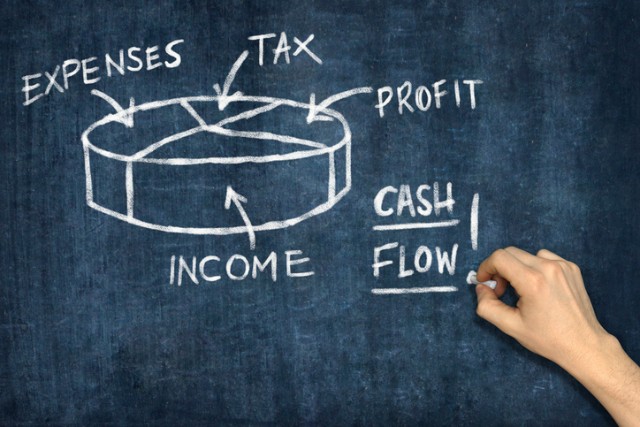
Cash flow refers to the movement of money in and out of your business. It tracks when cash is actually received and when it is paid out. This includes customer payments, supplier costs, wages, tax liabilities, and loan repayments. Profit is the amount of money your business earns after all expenses have been deducted from […]

Corporation Tax is a fundamental responsibility for UK limited companies, yet it is an area where many SME directors make avoidable mistakes. From misunderstanding what is actually taxable to missing key deadlines, small errors can quickly lead to penalties, cash flow issues, or overpaying tax. This guide explains how Corporation Tax works, the most common […]
Please complete the form and we'll be in touch as soon as possible.
Whether you’re starting up or you’re an established business, we’ll make your work with us as easy as humanly possible – starting from the time you get in touch. Just call us on 01634 540040 or complete the form below and we’ll get back to you ASAP.